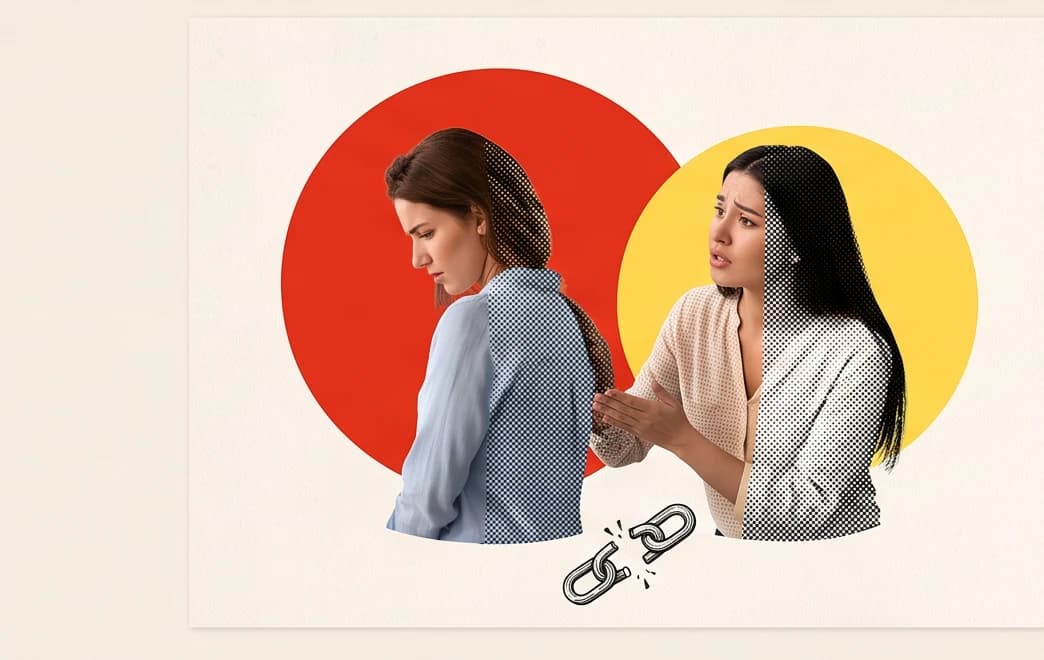
A cofounder apology fails when nothing changes after it. The words cool the room for an hour, you both get back to work, and the cause of the fight stays where it was. To repair it, name exactly what you did, own it without a "but", and attach one change your co-founder can see and check.
Why don't the words alone work?
Because an apology admits a hurt, and it does nothing to stop a repeat. The Insights Counseling Center describes repair in the Gottman Method as restoring emotional safety through attunement, ownership, and changed behavior. It also warns that apologies which gloss over the other person's hurt can create more distance, not less.
Between cofounders this shows up as a loop. One of you misses a commitment, snaps in a meeting or makes a call alone. The other accepts the apology, and means it. Three weeks later it happens again, and "you said you'd change this" now hurts more than the first incident did.
Which apologies make things worse?
The ones that look like repair and change nothing.
- "I'm sorry you feel that way." It makes their hurt the problem and leaves your part out.
- Sorry to end the conversation. You want the tension gone, so you apologize before you understand what went wrong.
- Sorry for the reaction. "Sorry I upset you" apologizes for their feelings instead of your action.
- Sorry, but. Everything after "but" cancels everything before it.
Each one leaves your co-founder with no reason to trust that next time will be different.
What does a repair that holds look like?
It has three parts. Skip one and the apology will not stick.
- Name the specific act. "I'm sorry I changed the pricing page without checking with you first" repairs something. "Sorry things have been tense" repairs nothing, because it does not show you understand what you did.
- Own it without a but. Once you add "but you also...", the apology becomes the opening of the next fight. If you have your own complaint, raise it in a separate conversation.
- Attach one change you can both check. "I'll communicate better" cannot be checked. "I'll post any pricing change in our shared doc before it ships" can. Then do it, every time, for the following weeks.
Do you always need to say sorry to repair?
No. The Gottman Institute defines a repair attempt as any statement or action, even a silly one, that stops negativity from escalating out of control. Pausing to say "I don't want this to become a fight" counts. So does agreeing on a signal that means "stop, we're going in circles."
For cofounders this matters because you get many small chances to cool a disagreement before it needs a formal apology. Agree your signals in a calm week, so you both recognise them in a hard one.
What if you are the one who was hurt?
Take a real repair seriously, even if part of you wants more remorse first. If your co-founder named the act, owned it with no "but" and offered a change you can check, that is a real attempt. Asking for a longer apology can become a way of holding on to the fight.
What you can fairly ask for is follow-through. "Thank you. I'll see how this goes over the next few weeks" keeps you both honest without raising the stakes.
Before you give your own next apology, ask yourself privately: do I plan to change this, or do I want the tension to stop? If you are not ready to commit, say "I hear this landed badly. Give me a day to work out what I'll do differently." An honest half answer holds up better than a full apology you do not keep.
What if the same apology keeps coming back?
Then the apology is no longer the problem. The missing commitment is. If you have heard "sorry, it won't happen again" more than twice about the same thing, say so: "I believe you mean it, and it keeps happening. I need something more specific than an apology this time."
That is the point to add structure. Our guide to repairing a broken cofounder partnership covers what comes after words stop working. For one recurring disagreement, a Conflict Session has you each write your side alone, read one summary built from both, agree what changes, and check back on day 7 and day 14. For the full method, start with our cofounder conflict resolution guide.
Frequently asked questions
- Why doesn't saying sorry fix things between cofounders?
- Because the words admit the hurt without touching its cause. If nothing changes after the apology, your co-founder learns that the same thing will happen again. The relief lasts an afternoon, and the resentment comes back stronger, now with a broken promise attached to it.
- What makes a cofounder apology actually work?
- Three things. Name exactly what you did, not the general mood. Own it with no 'but' on the end. Then attach one change your co-founder can see and check, such as flagging pricing changes in a shared doc before they ship, and keep doing it for the following weeks.
- Is 'I'm sorry you feel that way' an apology?
- No. It turns your co-founder's hurt into their overreaction and leaves out your part. It sounds like an apology and works like a denial. Even said with good intentions, it usually makes a cofounder conflict worse, because the other person now feels hurt and dismissed.
- What if my cofounder apologizes but keeps doing the same thing?
- Name the pattern, not the latest example. Say you believe they mean it and that it keeps happening anyway, then ask for one specific commitment you can both check over the next few weeks. A third apology for the same thing is a sign you need something firmer than words.